اطلاعات تماس و لینکهای مفید | Useful contacts and links

اطلاعات تماس و لینکهای مفید | Useful contacts and links

⭐️برای دنبال کردن لطفا روی گزینه مورد نظرتان کلیک نمایید:

To follow, please click on the option you want

🔴 ((( پیج اینستاگرام استاد حسن نژاد (لطفا روی این گزینه کیلیک نمایید) | the trainer Hassan Nezhad's Instagram page (please click on this option) )))

🔵 ((( کانال آموزشی در اینستاگرام | Educational Channel on Instagram )))

⚫️ ((( کانال آموزشی در تلگرام / Educational channel on Telegram)))

🟢(((کانال آموزشی در واتس آپ / Educational channel on WhatsApp )))

ادامه نوشته

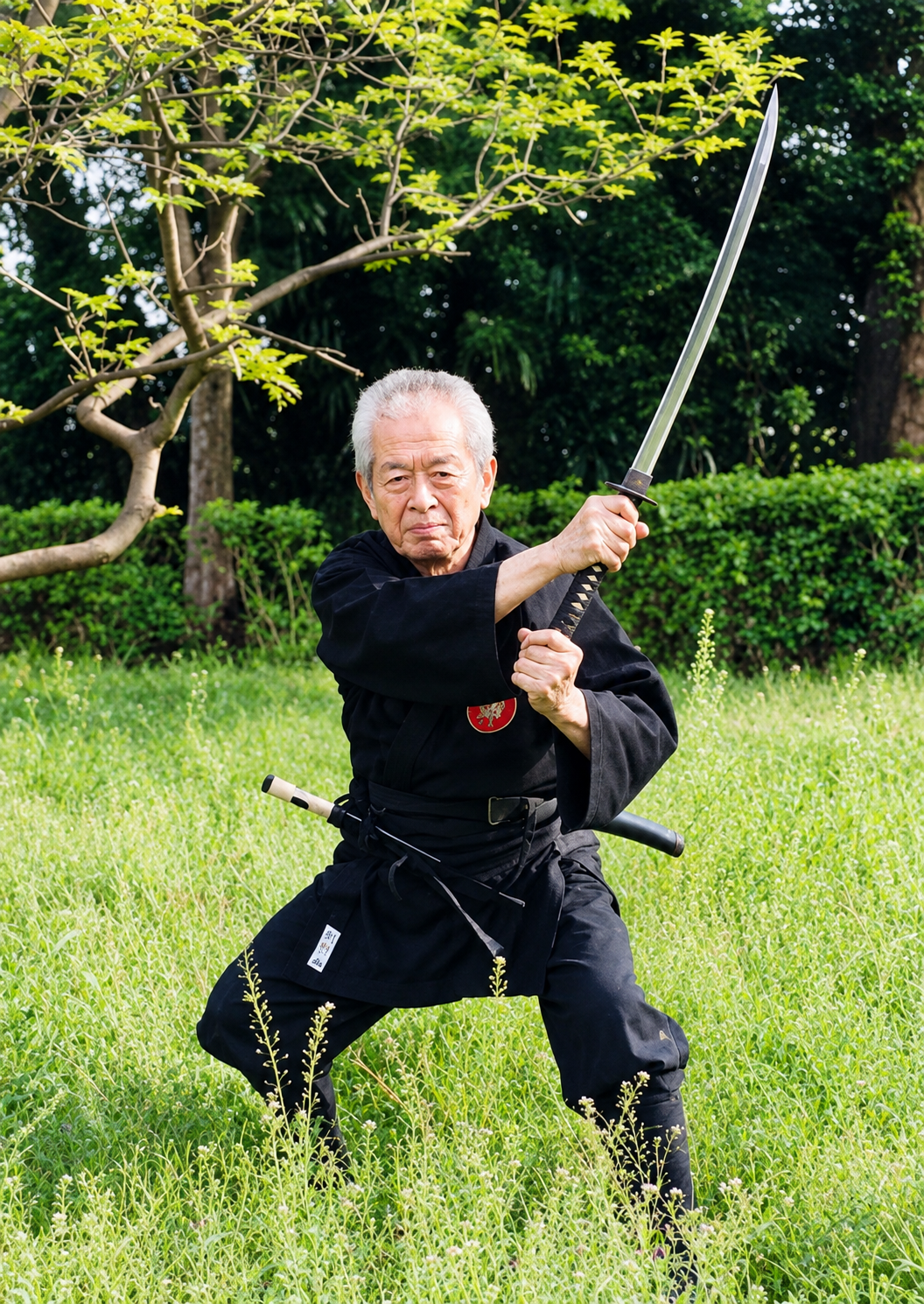
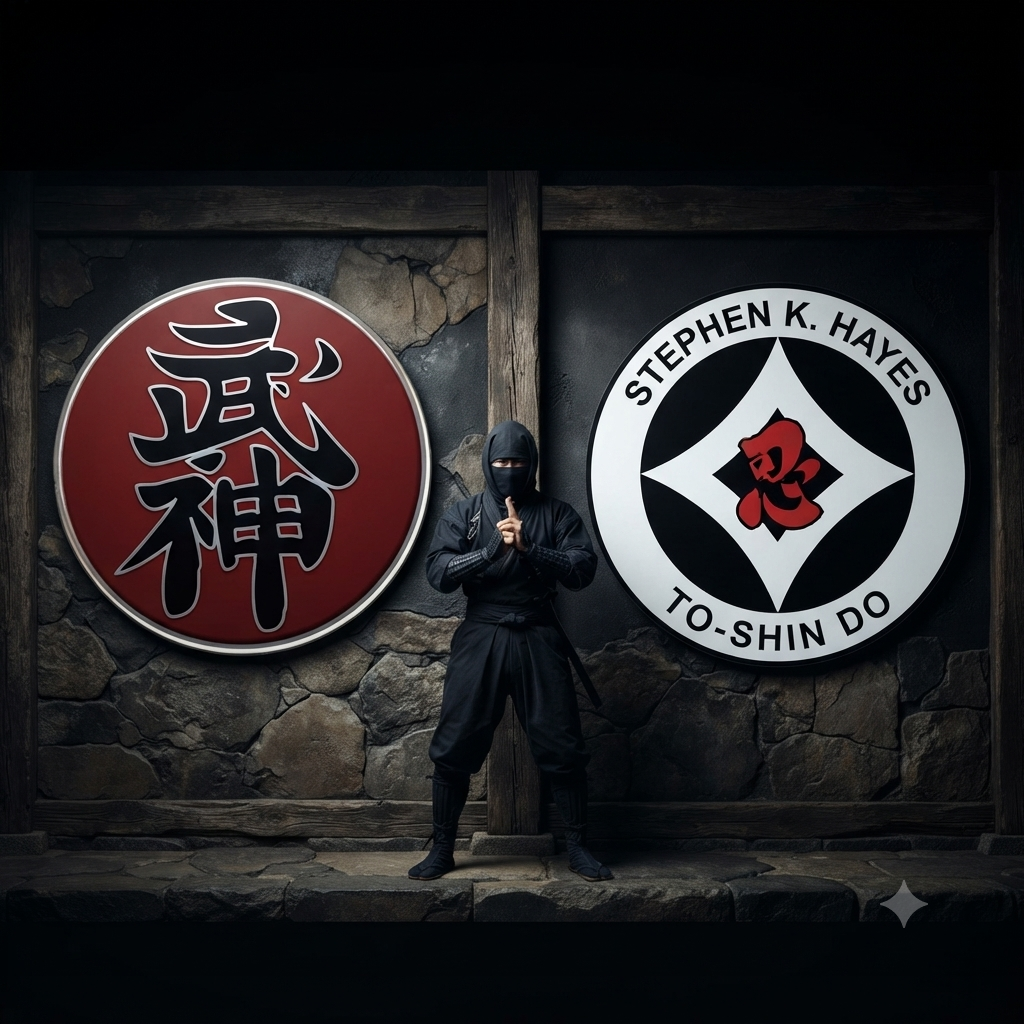
نینجا توشیندو / Ninja Toshindo

تکاملِ نینجوتسو

از سنت‌های کهنِ شینوبی تا نظام‌ مدرنِ توشیندو

NINJA

۱. خاستگاه تاریخی نینجوتسو (Ninjutsu)

نینجوتسو را نباید صرفاً یک «سیستم مبارزه» تلقی کرد، بلکه آن را باید «هنر بقا» و «استراتژیِ نامتقارن» نامید. ریشه‌های این هنر در مناطق کوهستانی «ایگا» (Iga) و «کوگا» (Koga) در ژاپن نهفته است. در دوره‌های آشوب‌زده‌ی ژاپن فئودال، به ویژه در دوران «سنگوکو» (عصر دولت‌های جنگجو)، نینجاها (یا شینوبی‌ها) نه به عنوان سامورایی‌های طبقه اشراف، بلکه به عنوان جاسوسان، پیش‌قراولان و متخصصانِ عملیات‌های مخفی ظهور کردند.

فلسفه نینجوتسو بر پایه «نینپو» (Ninpō) استوار است؛ به معنای «طریقتِ استقامت» یا «هنرِ بالاترِ بقا». هدفِ نهایی یک نینجا نه پیروزی در میدان نبرد (مانند سامورایی‌ها)، بلکه انجام مأموریت و بازگشت زنده به خانه بود.

شکل‌گیری بوجینکان (Bujinkan)

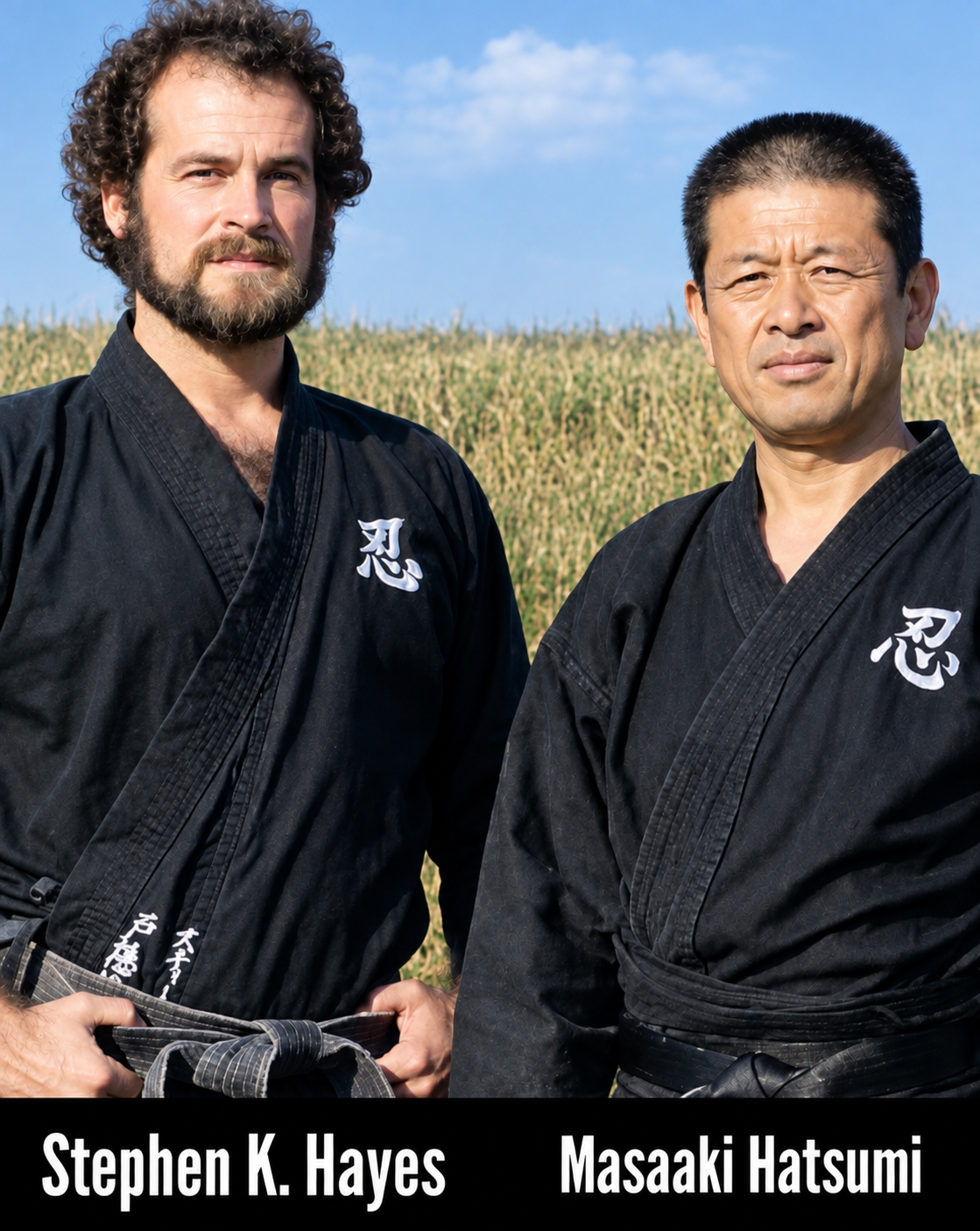
مدرسه «بوجینکان» در قرن بیستم توسط ماساکی هاتسومی (Masaaki Hatsumi) تأسیس شد. هاتسومی شاگردِ مستقیم توشیتسوگو تاکاماتسو (Toshitsugu Takamatsu) بود که به عنوان «آخرین نینجای واقعی» شناخته می‌شد.

هاتسومی با ادغامِ دانشِ نُه مکتب (Ryuha) که از تاکاماتسو به او رسیده بود، سازمان بوجینکان را بنیان نهاد. این نُه مکتب شامل سنت‌های مختلفی از هنرهای رزمی ژاپن (مانند توگاکوره ریو که ریشه‌ی نینجوتسو دارد و چندین مکتبِ سامورایی دیگر) است. بوجینکان به جای تمرکز بر ورزش‌های رقابتی، بر «بودو تای‌جوتسو» (Budo Taijutsu) یا استفاده طبیعی از بدن در شرایط واقعیِ مرگ و زندگی تأکید دارد.

ماساهاتسومی

فرهنگ و سلاح‌شناسی در نینجوتسو

فرهنگ نینجوتسو بر پایه «انطباق‌پذیری» است. نینجاها یاد می‌گرفتند از هر ابزاری در محیط برای بقا استفاده کنند.

سلاح‌ها: سلاح‌های نینجا فراتر از «نینجاتو» (شمشیر کوتاه و مستقیم) است. ابزارهایی مانند شوریکن(تیغه‌های پرتابی)، کوساری‌گاما(داس و زنجیر)، بو (چوب بلند) و میتسوبوشی (پودرهای کورکننده) و سلاح های دیگر همگی به عنوان ابزارهای تاکتیکی برای ایجاد فاصله یا خلاصی سریع طراحی شده بودند.

فلسفه: مهم‌ترین سلاح نینجا، ذهن اوست. فرهنگ شینوبی بر «تای‌جوتسو» (تکنیک‌های بدون سلاح) متمرکز است؛ چرا که نینجا باید در هر شرایطی (بدون ابزار) قادر به دفاع از خود باشد.

سبک توشیندو (To-Shin Do)؛ تکامل مدرن توسط انشو استیون هیلز

در دهه ۱۹۸۰ میلادی، استیون هیلز (Stephen K. Hayes)، که یکی از برجسته‌ترین شاگردان غربی ماساکی هاتسومی بود، مسیری متفاوت را آغاز کرد. او متوجه شد که آموزش‌های سنتی بوجینکان با متدولوژیِ آموزشیِ دنیای غرب تفاوت بنیادی دارد و برای انتقالِ مفاهیمِ عمیق نینجوتسو به مخاطب مدرن (که با چالش‌های عصر حاضر دست و پنجه نرم می‌کند)، نیاز به ساختاربندیِ آموزشیِ جدیدی است. این‌گونه بود که توشیندو(To-Shin Do) متولد شد. نام آن به معنای «مسیرِ شمشیرِ دل» یا «مسیرِ روحِ مبارز» است.

Ninja

نینجا توشیندو چیست

ساختار آموزشی: برخلاف سیستم‌های سنتی که آموزش‌ها ممکن است سال‌ها به صورت پراکنده یا مبتنی بر تقلیدِ استاد باشد، توشیندو دارای یک برنامه درسیِ (Curriculum) بسیار منظم، پله‌کان و منطقی است.

هدف: توشیندو نینجوتسو را به یک سیستم «دفاع شخصی مدرن» و «توسعه فردی» تبدیل کرده است. در این سبک، تکنیک‌ها به گونه‌ای بازطراحی شده‌اند که با آناتومی بدن انسانِ مدرن و سناریوهای تهدید فعلی (مانند مقابله با مهاجمان خیابانی) همخوانی داشته باشند.

رویکرد علمی: استیون هیلز تأکید دارد که مبارزه باید از طریق «مدیریتِ استرس» و «تصمیم‌گیری آگاهانه» انجام شود. او در توشیندو، بخشِ روان‌شناختیِ هنرهای رزمی را به اندازه بخش فیزیکی تقویت کرده است.

TOshindo

تحلیلِ فنی و متدولوژیِ ساختاریِ توشیندو

توشیندو (To-Shin Do) توسط استیون هیلز (Stephen K. Hayes) به گونه‌ای طراحی شده که «مبارزه‌ی خیابانی» را نه از طریقِ ورزش (مانند کیک‌بوکسینگِ رینگی) یا گلاویزی (مانند جوجیتسویِ)، بلکه از طریقِ «مدیریتِ فیزیکیِ تهدید» آموزش می‌دهد.

۱. پارادایمِ پنج عنصر (Godai): موتورِ محرکِ تکنیک‌ها
در توشیندو، ما با طبقه‌بندی‌های ورزشی (مثل اینکه بگوییم «الان داریم جوجیتسو کار می‌کنیم») روبرو نیستیم، بلکه با «حالاتِ بدنی» روبرو هستیم. این همان ساختارِ نینجوتسوی سنتی است که در توشیندو علمی‌سازی شده:

-خاک (Chi): ثبات و ایستادن. در اینجا فنونِ پایه (دفاع‌های محکم) و مدیریتِ فاصله استفاده می‌شود.
-آب (Sui): انعطاف‌پذیری. در اینجا تکنیک‌های گلاویزی و رهایی از قفل‌های مفصلی (مشابه جوجیتسو) رخ می‌دهد.
-آتش (Ka): انرژی تهاجمی. این بخش شامل ضرباتِ دست و پا (مشابه کیک‌بوکسینگ) است که با هدفِ «توقفِ سریعِ مهاجم» انجام می‌شود.
-باد (Fu): گریز و جابجایی. تمرکز بر خروج از خطِ حمله و ضرباتِ غیرقابل پیش‌بینی.
-خلاء (Ku): خلاقیت و بداهه. جایی که تکنیک‌های کیک‌بوکسینگ و جوجیتسو در هم ادغام می‌شوند تا فرد در شرایطِ غیرمنتظره، واکنشِ طبیعی نشان دهد.

۲. جایگاه کیک بوکسینگ و جوجیتسو: در توشیندو
بسیاری از مخاطبان می‌پرسند که آیا توشیندو ترکیبی از کیک‌بوکسینگ و جوجیتسو است؟ پاسخ علمی این است: توشیندو به «اصولِ فیزیکی» توجه دارد، نه به «نامِ ورزش‌ها».در مورد - -ضربات (Striking): در توشیندو، ضرباتِ دست و پا وجود دارد (چون بدن انسان فقط با این ابزارها ضربه می‌زند)، اما تفاوت در اینجاست که شما در توشیندو یاد نمی‌گیرید که "در رینگ ۳ راند مبارزه کنید". شما یاد می‌گیرید که چگونه با یک ضربه دقیق و مخرب (مثلاً به نقاط حساس بدن)، تهدید را در یک ثانیه از بین ببرید. این ضربات از مکانیکِ ضرباتِ نینجوتسوی سنتی استخراج شده که بسیار کوتاه‌تر، تدافعی‌تر و متناسب با شرایطِ غیرورزشی است.
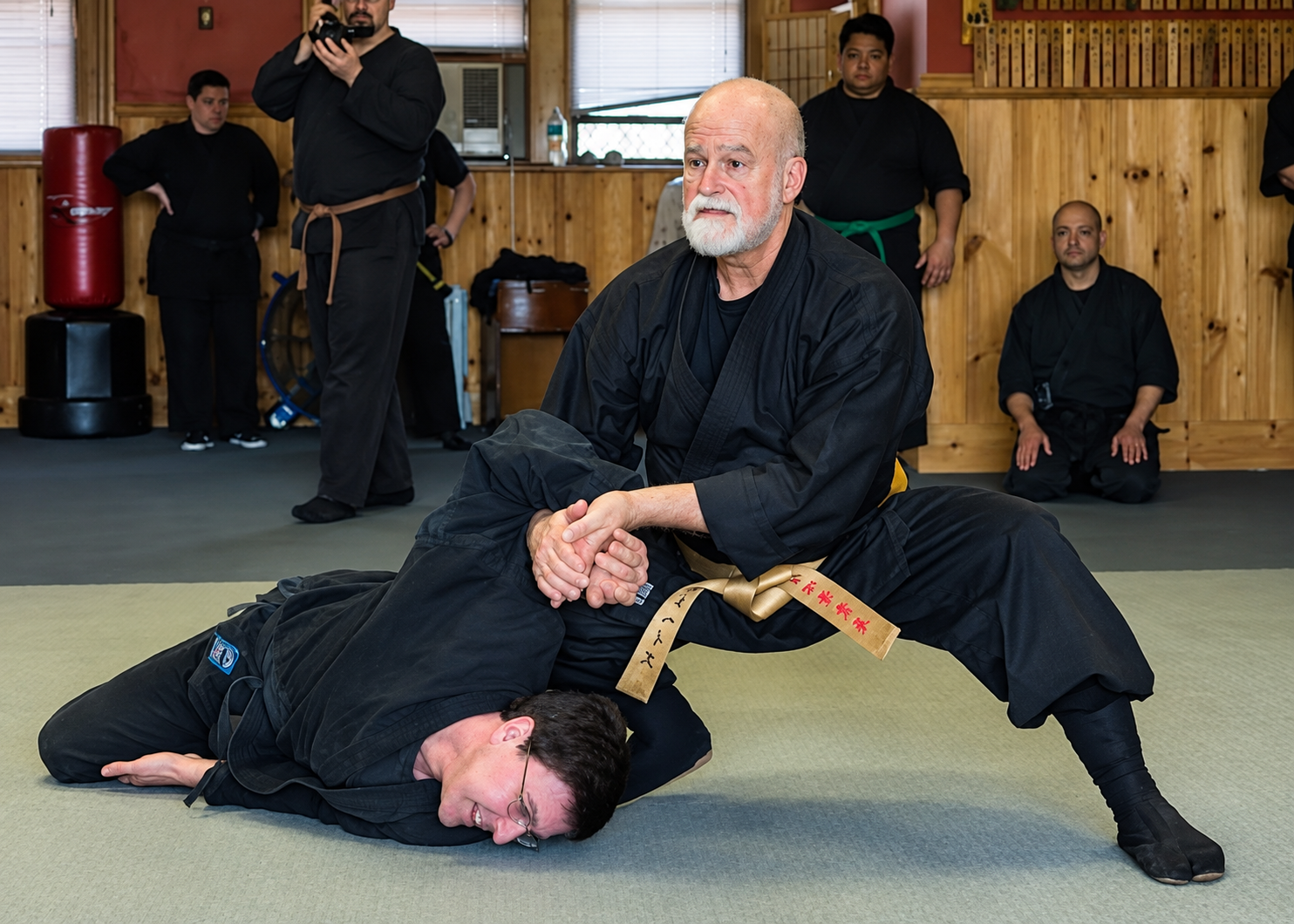
-در مورد گلاویزی (Grappling/Jujitsu): فنونِ پرتابی، شکستنِ مفاصل و خفگی که در جوجیتسو می‌بینیم، هسته‌ی اصلیِ «تای‌جوتسو» (هنرِ بدن) در نینجوتسو هستند. استیون هیلز این فنون را مدرن کرده است. برخلاف جوجیتسوی برزیلی (BJJ) که روی «مبارزه روی زمین» تمرکز دارد، جوجیتسویِ توشیندو روی «ایستاده ماندن» و «کنترلِ مهاجم از طریق درد و اهرم‌های مفصلی» تمرکز می‌کند تا فردِ مدافع مجبور نباشد روی زمین غلت بخورد (چون در خیابان، زمین جای خطرناکی است).

۳. چرا توشیندو متفاوت است؟ (تفاوتِ «هنر» با «ورزش»)
در کیک‌بوکسینگ یا جوجیتسوی ورزشی، قوانینِ محدودکننده (مثل ممنوعیتِ ضربه به بیضه، انگشت در چشم یا گاز گرفتن) وجود دارد. توشیندو این محدودیت‌ها را برمی‌دارد.این سیستم از تکنیک‌های سنتی نینجا (مانند استفاده از انگشتان برای فشار به اعصاب، چرخش‌های مفصلی برای کنترل، و جابجایی‌های زاویه‌دار) استفاده می‌کند تا به شما یاد بدهد چگونه یک مهاجمِ قوی‌هیکل را با کمترین نیروی عضلانی (از طریقِ اهرم‌شناسی) خنثی کنید. در واقع، جوجیتسوی توشیندو، «جوجیتسویِ بقا» است، نه «جوجیتسوی امتیازگیری».

تاریخچه ورود و فعالیت در ایران

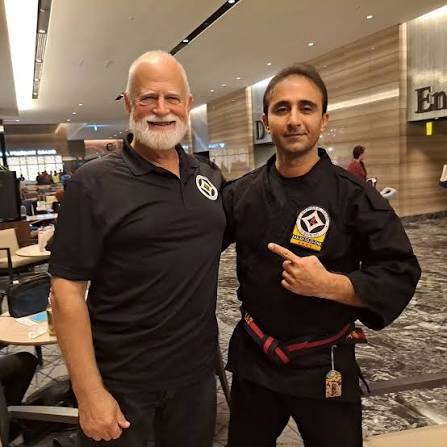
توشین‌دو (To-Shin Do) که در ایران اغلب با عنوان «نینجاهای مدرن» شناخته می‌شود.

بنیان‌گذاری این سبک در سال ۱۳۸۷ توسط استاد عادل طهماسبی انجام و به جامعه رزمیکاران ایران معرفی و وارد شد.

فعالان این رشته نام «توشین‌دو» را ترکیبی از سه مفهوم می‌دانند

TO: به معنای سنت و میراث نینجا است.

SHIN: به معنای قلب پرورش‌یافته یا ذهن آگاه است.

DO: به معنای راه و طریقت است.

جایگاه فعلی

توشین‌دو در ایران امروزه به عنوان یکی از سبک فعال و پویا شناخته می‌شود که تمرکز اصلی آن بر:

1. دفاع شخصی کاربردی: استفاده از تکنیک‌های مدرن و سنتی نینجوتسو در موقعیت‌های واقعی.

2. مسابقات کشوری: برگزاری رویدادهای بزرگ ورزشی که نشان‌دهنده استقبال گسترده و ساختار مسابقاتیِ فعال این رشته در ایران است.

جمع‌بندی

توشیندو پلِ ارتباطی میانِ خِرد باستانیِ نینجوتسو و نیازهای عصبی-عضلانیِ یک انسان در دنیای مدرن است. این سبک نه تنها یک هنر رزمی، بلکه یک سیستمِ مدیریتِ بحران است که می‌تواند برای ورزشکارانی که به دنبال کارایی حداکثری در کمترین زمان هستند، بسیار جذاب باشد.

توشیندو از ابزارهایِ ضربه‌ای (مشابه کیک‌بوکسینگ) و ابزارهایِ کنترلی (مشابه جوجیتسو) استفاده می‌کند تا «استراتژیِ نینجا» را در دنیای امروز پیاده کند.

توشیندو در واقع «نینجوتسویِ مدرن کاربردی» است. یعنی شما همان فنونِ نینجایی که در طومارهای قدیمی (Makimono) بوده را با فیزیولوژیِ انسانِ امروز و نیازهای دفاعِ شخصیِ شهری بازسازی می‌کنید. این سبک روی بیومکانیک رزمیِ حرفه‌ای تمرکز دارد و یک "جعبه‌ابزار" عالی و منطقیِ دفاعِ شخصی است.

نویسنده: میلاد حسن نژاد

جهت آموزش و ارتباط با ما >> اینجا کلیک << نمایید‌.

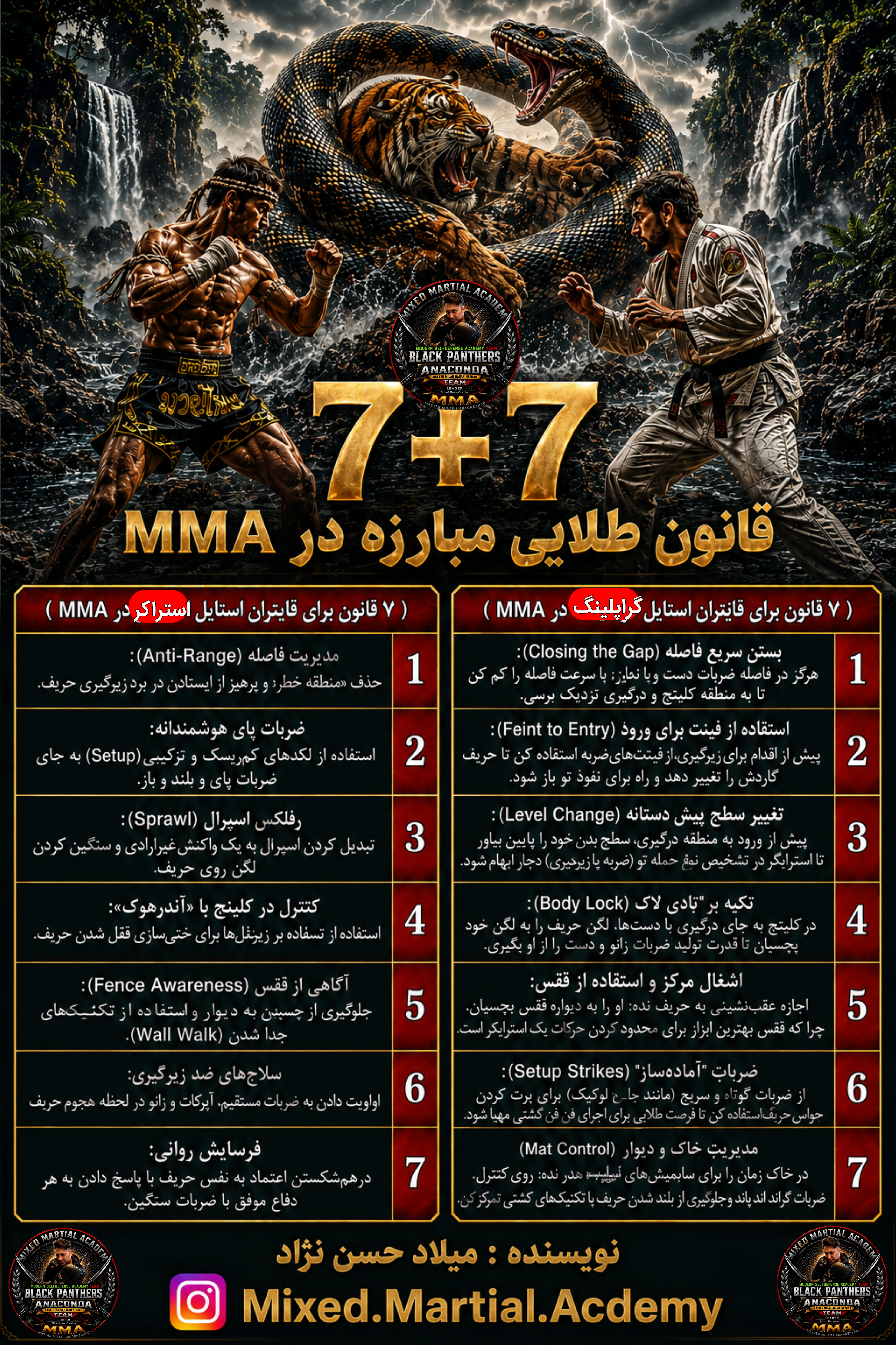
14 استراتژی طلایی برای مبارزات ترکیبی Mma

7+7 استراتژی طلایی

در مبارزات ترکیبی MMA

آموزش Mma

«مبارزه در قفس، فراتر از یک درگیری فیزیکی، یک بازی شطرنج بیومکانیک است؛ جایی که کنترلِ انرژیِ جنبشیِ حریف و بهینه‌سازیِ تصمیم‌گیریِ عصبی-عضلانی، مرز باریک بین پیروزی و شکست را تعیین می‌کند. برای رسیدن به سطح قهرمانی، باید بیش از اتکا به قدرتِ خالص، بر مهندسیِ حرکات و مدیریتِ استرس تمرکز کنید؛ چرا که سلاح اصلی شما ذهن تحلیل‌گری است که در اوجِ فشار، دقیق‌ترین تکنیک را در کسری از ثانیه اجرا می‌کند. هوشمندانه تمرین کنید و دقیق بجنگید تا قهرمان بمانید.»

🔴 7 استراتژی برای فایتران استراکر

در مبارزات رزمی ترکیبی MMA

آموزش mma

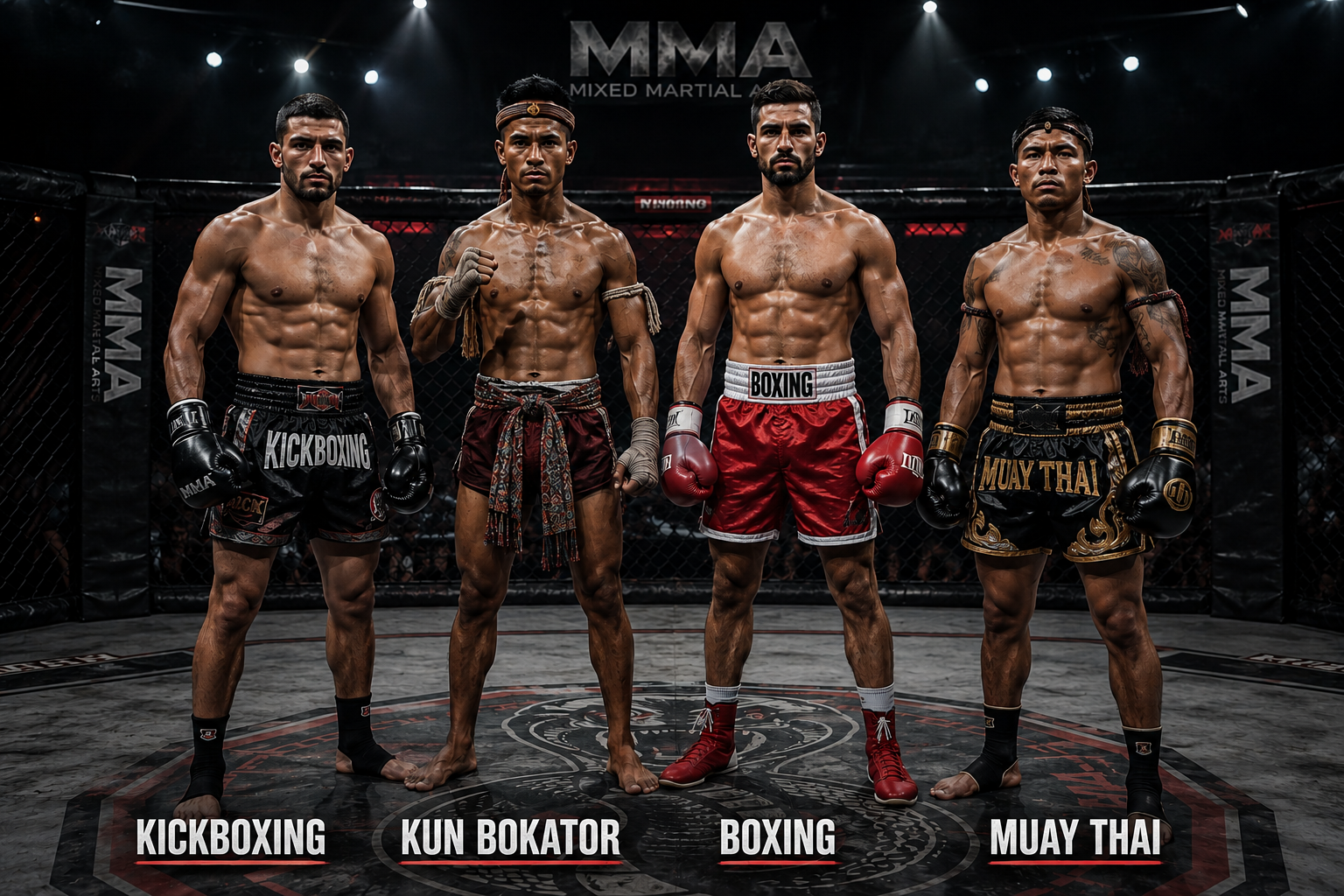
مبارزه بین «استرایکر» (رشته های رزمی مانند: Kickboxer/Muay Thai) و «گرپلر» (رشته های رزمی مانند: Wrestler/BJJ) یکی از کلاسیک‌ترین چالش‌های تاریخ MMA است. برای اینکه به عنوان یک استرایکر، اسیر بازیِ روی زمین گرپلر نشوی، نباید فقط «دفاع» کنی؛ باید «بازی خودت» را به او تحمیل کنی.

در ادامه، ۷ استراتژی کلیدی برای خنثی‌سازی یک گرپلر حرفه‌ای آورده شده است:

- ۱. استراتژی «ضد کشتی» (Anti-Wrestling) با فاصله درست

بزرگترین اشتباه استرایکرها، قرار گرفتن در «فاصله میانی» (Mid-range) است. گرپلرها عاشق این فاصله هستند چون شروع زیرگیری (Takedown) از همین‌جا اتفاق می‌افتد.

* استراتژی: یا باید خیلی دور باشی (خارج از برد دست‌هایش) یا در «فاصله کلینچ» (Clinch) باشی. اگر در فاصله میانی هستی، حتماً باید در حال حرکت عرضی (Lateral Movement) باشی تا زاویه زیرگیری او را خراب کنی. هیچ‌وقت «مستقیم» عقب‌نشینی نکن.

- ۲. ضربات پا را «هوشمندانه» انتخاب کن

لگد زدن به استرایکرِ دیگر ریسک کمی دارد، اما در برابر گرپلر، یک ضربه پایِ اشتباه می‌تواند به معنای «خاک شدن» باشد.

* استراتژی: هرگز ضربات پای بلند (Head Kick) بدون Setup یا بدون فشار اولیه نزن. ضربات پایت را فقط به «ساق پا» (Leg Kick) یا حداکثر شکم محدود کن و حتماً با ترکیب دست (Combo) همراه باشد تا گرپلر جرات نکند برای زیرگیری شیرجه بزند.

-۳. «Sprawl» (اسپرال) باید رفلکس غیرارادی تو باشد

اگر در MMA فعالیت داری، باید اسپرال کردن را به اندازه تنفس خودت طبیعی کنی.

* استراتژی: تمرین کن که به محض احساس تماس یا دیدن تغییر سطح (Level Change) حریف، بلافاصله لگن خود را عقب بکشی و وزن بدنت را روی شانه‌های او بیندازی. در اسپرال، هدف این نیست که فقط مانع شوی، بلکه باید با فشار دادن گردن و سر حریف به زمین، انرژی او را تخلیه کنی.

-۴. استفاده از «Underhooks» در کلینچ

گرپلرها می‌خواهند تو را به قفس بچسبانند یا به زمین ببرند. اگر در کلینچ گیر کردی، اجازه نده دستانش دور کمرت قفل شود.

* استراتژی: «آندر هوک» (قرار دادن دست زیر بغل حریف) مهم‌ترین سلاح توست. به محض اینکه وارد کلینچ شد، زیر بغل‌هایش را کنترل کن. این کار باعث می‌شود او نتواند به پشت تو برود یا پاهای تو را بگیرد و به تو اجازه می‌دهد با زانو زدن (Knee Strike) بازی را در کلینچ به نفع خودت تمام کنی.

- ۵. دفاع در برابر «دیوار» (Fence/Cage Awareness)

گرپلرها از دیوار قفس به عنوان ابزاری برای زمین زدن استفاده می‌کنند (Wall Wrestling).

* استراتژی: وقتی به قفس چسبیدی، کمرت را صاف نگه دار و باسن‌ات را از دیوار دور کن. اجازه نده حریف با فشار بدنش تو را به قفس قفل کند. از تکنیک‌های «Wall Walk» برای بلند شدن استفاده کن. اگر زمین خوردی، بلافاصله با تکیه به قفس بالا بیا و اجازه نده روی زمین بماند.

- ۶. «ضربات مستقیم» به جای «هوک‌های عریض»

گرپلرها وقتی می‌خواهند زیرگیری کنند، سرشان را پایین می‌آورند و به سمت تو شیرجه می‌زنند.

* استراتژی: از «آپِرکات» (Uppercut) و «زانو» (Knee) به عنوان ضد‌زیرگیری استفاده کن. ضربات مستقیم مثل «جِب» (Jab) و «کراس» (Straight Cross) بسیار سریع‌تر از هوک (Hook) هستند و برای کسی که سرش را پایین آورده و به سمت تو می‌آید، حکم یک دیوار سخت را دارند.

- ۷. استراتژی «خستگی روانی» (Mental Exhaustion)

گرپلرها معمولاً با اعتماد به نفسِ «خاک کردن» وارد می‌شوند. اگر جلوی ۲-۳ زیرگیری اول آن‌ها را بگیری، آن‌ها دچار اضطراب می‌شوند.

* استراتژی: هر بار که موفق به دفاع زیرگیری شدی، بلافاصله ۲ یا ۳ ضربه سنگین به بدن یا صورتش بزن. اجازه نده نفس تازه کند. وقتی گرپلر ببیند زیرگیری‌هایش جواب نمی‌دهد و همزمان دارد ضربه می‌خورد، از نظر روانی «درمانده» می‌شود و آنجاست که اشتباه می‌کند و تو می‌توانی کار را تمام کنی.

🔵 7 استراتژی برای فایتران گراپلینگ

در مبارزات رزمی ترکیبی MMA

آموزش Mma

مبارزه بین «گرپلر»(رشته های رزمی مانند: Wrestler/BJJ) و «استراکر» (رشته های رزمی مانند: Kickboxer/Muay Thai) یکی از کلاسیک‌ترین چالش‌های تاریخ MMA است. برای اینکه به عنوان یک گرپلر، اسیر بازیِ فاصله ها و ضربات نشوی، نباید فقط «دفاع و یا عقب نشینی» کنی؛ باید «بازی خودت» را به او تحمیل کنی

در اینجا ۷ قانون و استراتژی کلیدی برای خنثی کردن یک استرایکر و پیاده‌سازی بازی گراپلینگ در MMA برای تو آورده‌ام:

- ۱. اصلِ "بستن فاصله" (Closing the Gap)

استرایکرها در "فاصله دور" (Range) پادشاهی می‌کنند. هرچه در فاصله دورتری نسبت به آن‌ها باشی، برای آن‌ها بهتر است.

* استراتژی: هرگز در فاصله ضربات دست و پا (Kickboxing Range) نمان. باید "فاصله امن" را با سرعت رد کنی و خودت را به "فاصله کلینچ" (Clinch Range) برسانی. راه ورود به این فاصله معمولاً از طریق فینت‌های ضربه (Striking Feints) یا تغییر سطح (Level Change) است.

- ۲. استراتژی فینت‌ زدن برای ورود (Feint to Entry)

به عنوان یک گراپلر، نمی‌توانی صاف و مستقیم برای زیرگیری (Takedown) شیرجه بزنی. استرایکر حرفه‌ای دست تو را می‌خواند و با زانو یا آپرکات تنبیهت می‌کند.

* استراتژی: از "فینت‌های ضربه" استفاده کن. دستت را برای ضربه پرتاب کن (بدون قصدِ اتصال) تا او را مجبور به گارد گرفتن یا عقب‌نشینی کنی. در لحظه‌ای که او گاردش را بالا می‌آورد یا تعادلش را برای دفاعِ ضربه تغییر می‌دهد، زیرگیری را اجرا کن.

- ۳. اولویت "تغییر سطح" (Level Change) قبل از حرکت

بسیاری از گراپلرها فقط با پاها حرکت می‌کنند و بعد خم می‌شوند. این کار به استرایکر زمان می‌دهد تا واکنش نشان دهد.

* استراتژی: حرکتِ تغییر سطح (خمش کمر و زانو) باید *قبل* از ورود به منطقه درگیری شروع شود. وقتی سطح بدنت را پایین آوردی، استرایکر دیگر نمی‌داند آیا می‌خواهی ضربه بزنی، زیرگیری کنی یا فقط فشار بیاوری. این ابهام، سرعت واکنش او را می‌گیرد.

-۴. چسبیدن به بدن (Body Lock) به جای دست‌ها

در جوجیتسو و کشتی، گرفتن دست یا سر (تک‌پا یا دوپا) شروع خوبی است، اما در MMA، اگر استرایکر دست و پایش آزاد باشد، می‌تواند با آرنج و زانو به سرِ تو ضربه بزند.

* استراتژی: بلافاصله پس از رسیدن به کلینچ، به جای درگیری با دست‌ها، سراغ "بادی لاک" (Body Lock) برو و لگنِ حریف را به خودت بچسبان. وقتی لگن حریف به لگن تو چسبیده باشد، او قدرت تولید ضربه با زانو یا ضربات دست را از دست می‌دهد.

- ۵. فشارِ مستمر به جای عقب‌نشینی

استرایکرها عاشق این هستند که تو را دور قفس (Cage) بگردانند. اگر عقب‌نشینی کنی، آن‌ها با ضربات دورانی و لگدها تو را نابود می‌کنند.

* استراتژی: تو باید "مهاجم" باشی. مرکز قفس را اشغال کن و حریف را به دیواره قفس بچسبان. در MMA، دیوار قفس بهترین دوست گراپلر است. وقتی حریف به قفس چسبید، دیگر راه فراری ندارد و می‌توانی از تکنیک‌های کشتی برای بر زمین زدنش (Take-down) استفاده کنی.

- ۶. استفاده از ضرباتِ "کمک‌کننده" (Setup Strikes)

فکر نکن که چون گراپلر هستی، نباید ضربه بزنی. ضربات تو نباید برای ناک‌اوت کردن باشند، بلکه باید برای "باز کردن راه" باشند.

* استراتژی: از ضربات لو-کیک (Low Kick) یا جاب (Jab) برای پرت کردن حواس حریف استفاده کن. وقتی او حواسش به دفاعِ جابِ تو پرت شد، همان لحظه بهترین زمان برای تغییر سطح و اجرای تکنیک کشتی است.

- ۷. مدیریتِ فازِ "برخاستن" (Wall Walk vs. Guard)

این قانون طلایی برای حفظ برتری است. خیلی از گراپلرها بعد از زمین زدن حریف، در گاردِ بسته می‌مانند و ضربات آرنجِ استرایکر را تحمل می‌کنند.

* استراتژی: اگر در گارد حریف هستی، به دنبال سابمیشن‌های طولانی نباش. تمرکزت را روی "پاس کردن گارد" (Guard Pass) یا استفاده از تکنیک‌های "گراند اند پاند" (Ground and Pound) بگذار. اگر حریف سعی کرد با دیوار قفس بلند شود (Wall Walk)، بلافاصله کمرش را بگیر و دوباره او را به زمین بکوب (Mat Return). انرژی او را با کشتی گرفتن در خاک تخلیه کن.

نویسنده: میلاد حسن نژاد

⭕️ برای ارتباط با ما و آموزش >> اینجا کلیک << نمایید.

Mma

چرا «نرمش‌های خاکی» جوجیتسو برای یک فایتر MMA حیاتی است/ Why Jiu-Jitsu “Groundwork” is Vital for MMA

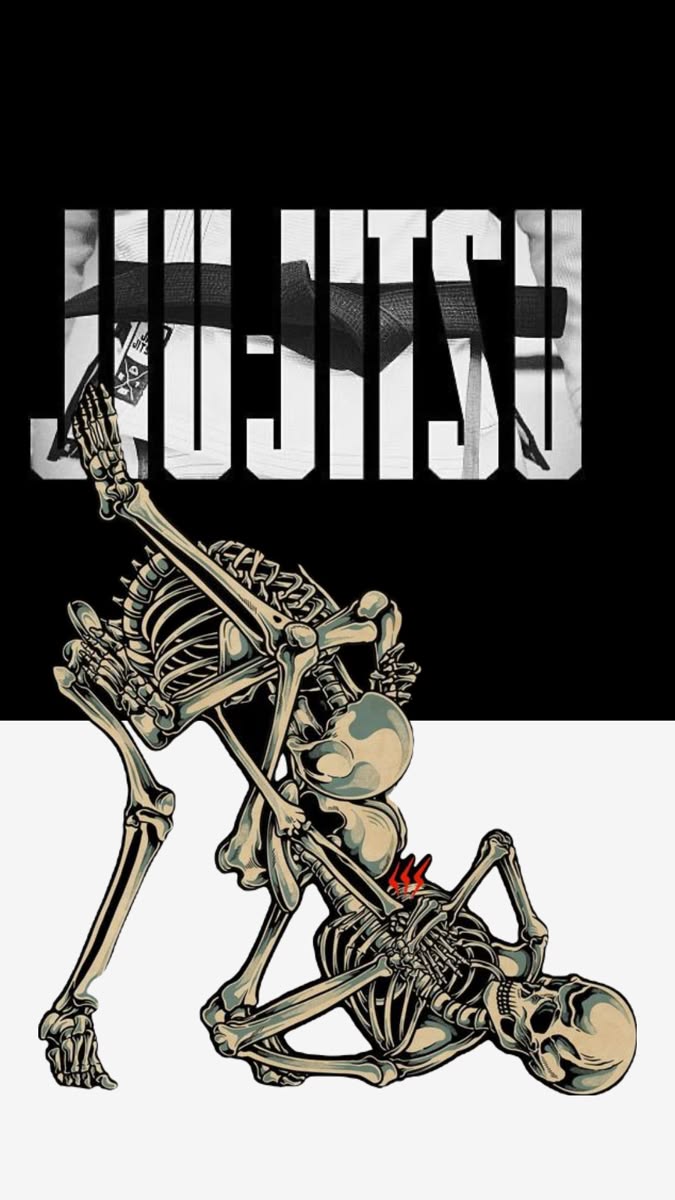
فراتر از تشک؛ چرا «نرمش‌های خاکی» جوجیتسو برای یک فایتر MMA حیاتی است

MIXED MARTIAL ACADEMY

در دنیای MMA، مبارزه در خاک (Ground Game) تنها به تکنیک‌های سابمیشن محدود نمی‌شود؛ تفاوت اصلی در «کیفیت حرکت» و «تسلط بر جاذبه» است. نرمش‌های اختصاصی جوجیتسو (مثل شریمپ زدن، خزش‌های جانوری و دریل‌های حرکتی روی زمین) فقط گرم‌کردن نیستند؛ این‌ها کدهای عصبی-عضلانی برای یک فایتر هستند.

🔴چرا این حرکات برای سیستم بدنی فایتر MMA ضروری است؟

-۱. بهینه‌سازی زنجیره حرکتی (Kinetic Chain):
حرکاتی مثل «شریمپ» باعث تقویت زنجیره خلفی و هماهنگی فوق‌العاده میان عضلات شکمی (Core) و فلکسورهای ران می‌شود. در MMA، این یعنی قدرت انفجاری در خروج از خاک (Escape) و توانایی انتقال نیرو از زمین به ضربات دست و پا.

-۲. ارتقای حس عمقی (Proprioception):
این دریل‌ها، گیرنده‌های عصبی عمقی بدن را در شرایطی که تعادل ندارید، بازسازی می‌کنند. وقتی بدن شما «خزش روی خاک» را یاد می‌گیرد، در جریان مبارزه واقعی، ضمیر ناخودآگاه شما در وضعیت‌های پیچیده (Scramble) سریع‌تر از حریف واکنش نشان می‌دهد.

-۳. توزیع فشار و مدیریت انرژی:
یادگیری نحوه «خزیدن» و جابه‌جایی وزن روی زمین، به فایتر می‌آموزد که چگونه فشار وزن حریف را با استفاده از زوایا دفع کند. این یعنی صرف انرژی کمتر در مبارزه و حفظ استقامت برای راندهای پایانی.

-۴. پیشگیری از آسیب‌دیدگی:
این حرکات باعث افزایش دامنه حرکتی (ROM) در مفاصل لگن و ستون فقرات می‌شود. انعطاف‌پذیری پویا (Dynamic Flexibility) که از این تمرینات به دست می‌آید، بدن شما را در برابر فشارهای غیرمترقبه حریف (مثل قفل‌های ناگهانی) مقاوم‌تر می‌کند.

☝️حرف آخر:
یک فایتر واقعی، هوش بدنی‌اش را در خاک می‌سازد. جوجیتسو به شما یاد می‌دهد که زمین دشمن شما نیست، بلکه سکوی پرتاب شماست.

نویسنده: میلاد حسن نژاد

⭕️ برای ارتباط با ما و آموزش 》 اینجا 《 کیلیک کنید.

ادامه نوشته

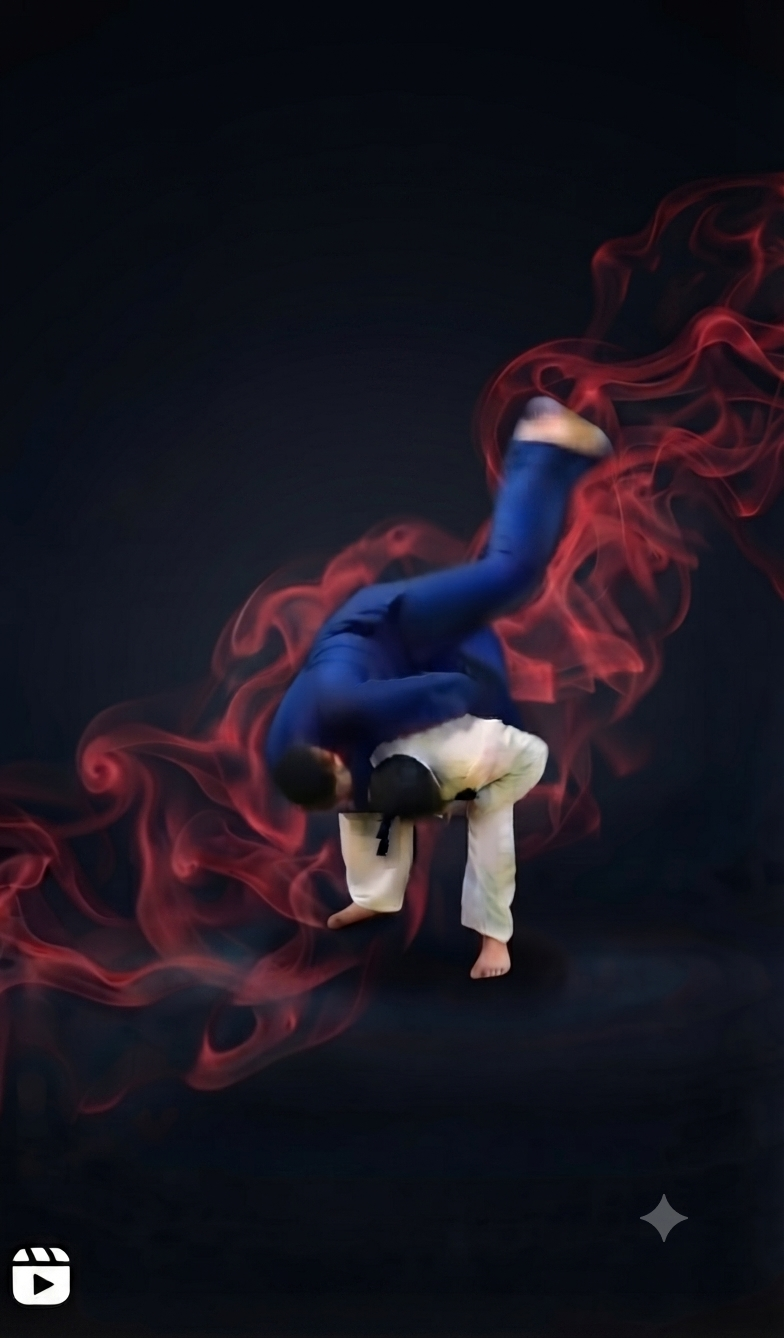
سوی ناگه + جوجی گاتامه  آرم شولدر ترون + آرمبار // Arm Shoulder Throw + Juji-gatame

“From the explosive ‘Morote Seoi Nage’ to the ‘Armbar’ submission: Anatomy of a deadly transition! 🥋💥”

“Click ((here)) to watch the tutorial video of this technique on our YouTube channel.”🔴

“Click here to watch the tutorial video for this technique on our Telegram channel🔴

“Click (here) to watch this technique on our Rubika channel.”🔴

🔰 Morote Seoi Nage Technique

(Arm Shoulder Throw / Morote Seoi Nage) "Two-handed shoulder throw" is one of the classic and very powerful techniques in Judo. In Brazilian Jiu-Jitsu (BJJ), it's highly applicable in standing grappling for takedowns.

🔴 Execution Steps:
1. Gripping (Kumi kata): With one hand, grip the opponent's sleeve (usually the opposite hand), and with the other hand, control the collar or the upper part of the opponent's gi.
2. (Off-balancing / Kuzushi): Disrupt the opponent's balance by pulling forward and upward. Simultaneously, rotate your feet inward, positioning yourself with your back to the opponent, such that your feet are in front of theirs. Your leading shoulder's socket should move under the opponent's armpit.
3. Loading and Throwing (Takedown / Nage waza): While bending your knees, pass your gripping hand under the opponent's armpit. Using the power of your entire body (core and legs), "load" the opponent onto your shoulder. Rotate your torso and apply a strong pull with your sleeve hand to throw the opponent forward onto the mat.

🔴 Scientific Analysis of the Technique:
Morote Seoi Nage is based on the principles of leverage and center of gravity. By penetrating deeply and positioning yourself below the opponent's center of gravity (by bending your knees), you create a Class 1 lever, where your shoulder acts as the fulcrum. At the moment of the throw, by suddenly lowering your height and using the torque generated from your torso rotation, you neutralize the opponent's force and momentum. You directly transfer their weight onto your shoulder, utilizing gravity against them. Essentially, this technique optimizes the "force vector" in the shortest possible time, converting opposing force into potential energy and, with an explosive movement, unbalancing and bringing the opponent down. Biomechanically, it's one of the most efficient methods for overcoming heavier opponents.

🔰 Armbar Technique (BJJ)

The Brazilian Jiu-Jitsu Armbar, known classically in Judo as Juji-gatame, is one of the most powerful and well-known submission techniques in BJJ and Mixed Martial Arts (MMA). Its aim is to put excessive pressure on the opponent's elbow joint, forcing them to submit or risking injury.

🔴 Execution Steps (Juji-gatame / Armbar):

1. Arm Control: First, you must completely control the opponent's arm. In the classic setup, grip the opponent's arm such that their thumb is pointing upwards (or towards the ceiling 👍). This is crucial because the elbow joint is most vulnerable to direct pressure in this orientation.
2. Passing the Legs: Cross your legs over the opponent's body, on either side of them (over their head and torso). One of your legs should control their head and neck, while the other leg rests on their stomach or side, completely pinning their body.
3. Creating Leverage: Position yourself below the opponent's shoulders and use your hips to create upward pressure. Your hips act as the "fulcrum." By lifting your hips while simultaneously holding the opponent's wrist with both hands (ensuring their thumb points up), direct pressure is applied to the back of the elbow joint.

🔴 Scientific Analysis of the Transition from "Morote Seoi Nage" to "Juji-gatame":

This transition is biomechanically a shift from rotational force (in the throw) to a classic lever force (in the submission). When you throw the opponent with Morote Seoi Nage, the opponent, due to the impact and sudden change in center of gravity, experiences disruption in their balance system and defensive posture. At this moment, the kinetic energy from the throw is converted into potential energy in the grounded state. Using the momentum from the opponent's fall, you immediately utilize the "created space" under their arm to enter into an Armbar or Juji-gatame. Here, you employ a Class 1 lever principle, where your hips act as the fulcrum, applying vertical force to transfer pressure to the opponent's elbow. This happens before the opponent can bring their arm into a stabilized defensive position.

☝️ Training Tip: In real matches, the power of this combination lies in the "Transition Speed." If you miss the moment to enter the Armbar/Juji-gatame, the opponent will have an opportunity to use their "Guard" or "Post" to escape your pressure.

- Instructor: Milad Hasanejad

ادامه نوشته

شین مو هاپکیدو |

هاپکیدو | Hapkido

🥋 History of Hapkido
Hapkido

Hapkido (합기도) is a combination of three Korean words:

Hap (합) = unity or harmony

Ki (기) = inner energy or force

Do (도) = way or path

As a result, its general meaning is “the way of harmony with energy.”

Historical Origins:

Hapkido was founded in South Korea in the 1940s by Choi Yong Sool. After spending years in Japan and training under Master Takeda Sokaku (the founder of Daito Ryu Aiki Jujutsu), Choi combined elements of that Japanese martial art with traditional Korean techniques such as Taekkyeon and Yusul.

The result of this integration was a very rich and comprehensive system that included:

Joint Locks & Throws

Strikes & Kicks

Distance and Energy Flow Control

Weapon Defense

The Origin of Sin Moo Hapkido

Ji Hun Ji

Sin Moo Hapkido was founded in 1983 in Seoul, South Korea, by Dojunim Ji Han-Jae, assisted by Meryl Jang, and other members of the Northern California Hapkido Association. The training was based on an earlier Hapkido program that Ji Han-Jae developed from the methods of his three masters and his own knowledge and skills. Ji Han-Jae was an early student of Choi Yong-Sul, who himself had previously studied in the Yawara and Aiki-Jijutsu systems under Takeda Sokaku. Although Sin Mo Hapkido developed in Seoul, there was no school teaching the system until 1984 when Ji Han-Jae opened the Sin Mo Hapkido School in Dalai City, California.

As one of the more advanced and scientific branches of the martial art of Hapkido, Sin Moo Hapkido represents a complex physical-philosophical system, beyond a mere set of movements. The focus of this style is on the complete harmony between the mind, internal energy (referred to in this text as "Ki") and the physical structure of the body. Shin Moo Hapkido places great emphasis on the concept of Dynamic Stability, the effective transfer of power from the Center of Mass and the intelligent use of the opponent's kinetic energy and potential.
Sin Moo Hapkido

Scientific and technical characteristics of Shin Moo Hapkido

In Sin Moo, every movement is designed based on the physical laws of torque, force transfer and energy flow (Ki Flow).

1. Biomechanical system of movements
In Shin Mu, every movement is designed based on the physical laws of torque, force transfer and energy flow (Ki Flow).

The techniques are such that the individual creates maximum mechanical control over the attacker with minimal muscular force.

Basic Biomechanical Principles:

Use of Circular Motion to Distract Force

Focus on the Center of Mass Connection

Maintaining the Center of Mass Connection

2. Defensive Techniques

Emphasis on Control Without Doing Harm:

Joint Locks: Applying Pressure to a Joint along its Natural Axis

Pressure Points: Stimulating Nerves with Anatomical Accuracy to Control the Attacker

Throws: Using the Attacker's Force Against Himself by Maintaining Energy Continuity

3. Offensive Techniques

In Shin Mu, striking movements are derived from mental concentration and deep breathing (Ki Breathing):

Kicks: Long, flexible movements such as the Roundhouse and Spinning Kick

Palm Strikes & Knife-Hand: Transferring Force from the Center of the Body to the Point of Contact by Controlling the Energy Path

4. Energy and Meditation

Shin Mu Hapkido has regular Ki Training exercises that are physiologically Causes:

Increases peripheral blood flow
Regulates heart rate and reduces stress
Improves neuromuscular coordination through mental focus
5. Traditional Weapons
Weapon training in Shin Mo includes:

Cane

Short baton (Dan Bong)
Long stick (Jang Bong)
Korean sword (Geom)
Rope or cloth (Rope Technique) for medium-distance control
Each weapon technique adheres to the principles of energy and soft movements, in contrast to the harder styles that rely on direct contact.

The techniques are such that the individual exerts maximum mechanical control over the attacker with minimal muscular effort.

Basic Biomechanical Principles:

Use Circular Motion to Distract Force

Focus on the Center of Mass Connection

Maintain the Center of Mass Connection

2. Defensive Techniques

Emphasis on Control Without Doing Harm:

Joint Locks: Applying Pressure to a Joint along its Natural Axis

Pressure Points: Stimulating Nerves with Anatomical Accuracy to Control the Attacker

Throws: Using the Attacker's Force Against Himself by Maintaining Energy Continuity

3. Offensive Techniques

In Shin Mu, striking movements are derived from mental concentration and deep breathing (Ki Breathing):

Kicks: Long, flexible movements such as the Roundhouse and Spinning Kick

Palm Strikes & Knife-Hand: Transferring Force from the Center of the Body to the Point of Contact by Controlling the Energy Path

4. Energy and Meditation

Shin Mu Hapkido has regular Ki Training exercises that On a physiological level, it causes:

Increases peripheral blood flow

Regulates heart rate and reduces stress

Improves neuromuscular coordination through mental focus

5. Traditional Weapons

Weapon training in Shin Mo includes:

Short baton (Dan Bong)

Long stick (Jang Bong)

Korean sword (Geom)

Rope or cloth (Rope Technique) for medium-distance control

Each weapon technique adheres to the principles of energy and soft movements, in contrast to more rigid styles that rely on direct contact

Philosophy and Psychology in Sin Moo Hapkido

The main goal of this style is the simultaneous development of body, mind and spirit.

According to the philosophy of Shin Mo, a person must:

Keep the inner peace (Inner Peace)

Harmonize the energy (Energy Coordination)

Have full awareness of the moment in every reaction (Mindful Response)

From the perspective of sports psychology, this style strengthens:

Neuromotor reactions

Sensory-motor concentration

Self-confidence and self-control in crisis situations

Analysis of key Sin Moo techniques

In this section, several basic techniques are analyzed to clarify their connection to physical principles.

1. Wrist Lock - Son Mok Sul

The wrist lock in Shin Mo is usually performed with the aim of quickly and accurately controlling the attacker, even against greater force. This technique is a classic example of applying leverage to a small joint.

Biomechanical components:

The human wrist joint (comprising the radius, ulna, and carpal bones) has certain limitations of movement. Applying controlling force in this technique depends on breaking these limitations.

Axis of rotation and leverage: The defender tries to place the axis of force application (point of leverage) closer to the attacker's hand, while the point of torque application (point of driving force) is further away from the wrist. This arrangement creates a Class 3 Lever, designed to increase range of motion at the expense of force, but here it is used to increase the controlling torque.

Torque Application ($\tau$):

The force applied by the defender ($F_D$) must create a torque that exceeds the safe range of wrist rotation. Net Torque Applied ($\tau_{net}$) at the Joint:

[ \tau_{net} = F_D \cdot r ]

Where (r) is the distance from the point of application of the force to the center of the wrist joint.

Stress Distribution and Yielding:

Proper execution of the technique requires simultaneous rotation in three joint axes of the wrist: flexion/extension (bending and straightening), radial/ulnar deviation (tilting toward the thumb or little finger), and sagittal rotation. By focusing the force on the tendon and joint capsule junction, tension increases rapidly, triggering protective muscle reflexes that ultimately result in pain from overextension, forcing a tapping out.

Biomechanical result: Instead of applying excessive muscular force (such as pulling the attacker's arm), the defender applies a precise and continuous torque, forcing the attacker to accept an unstable joint position. This efficiency fulfills the principle of "using the opponent's force against himself."

2. Circular Throw (Hwe Jeon Sul)

Circular throws in Shin Mo Hapkido utilize the principles of conservation of angular momentum and a sudden change in the attacker's center of mass.

Orbit Control:

The defender moves the opponent in a curved path (arc) instead of pushing or pulling them straight. This path exerts a centripetal force on the opponent to keep them in orbit.

[ F_c = \frac{m v^2}{r} ]

Where (m) is the opponent's mass, (v) is their tangential velocity, and (r) is the radius of the orbit the defender has created.

Converting kinetic energy to angular energy:

When the opponent is at their peak linear velocity, the defender drastically reduces the radius (r) by making a rapid change in body orientation (usually a small rotation around the hip axis). According to the law of conservation of angular momentum ($L$):

[ L = I\omega = \text{constant} ]

If the angular momentum (L) remains constant (or increases) and the radius of rotation (r) decreases, the rotational inertia ((I)) or angular velocity ($\omega$) must increase proportionally. As a result, the opponent is thrown with a high angular velocity, because his linear kinetic energy has been converted into angular energy.

The Break Point:

The key point in Hwe Jeon Sul is the moment when the defender completely separates the opponent's center of mass from his base of support for a moment by placing his body weight underneath it. At this moment, the force of gravity is no longer the holding force and the circular motion becomes a throw.

3. Balance Disruption (Chong Shin Suk)

These techniques are based on the principle of moving the Plumb Line of CoM from the attacker's support rule.

Base of Support (BoS): The area defined by the opponent's body's points of contact with the ground (feet and sometimes hands).

Stability: A system is stable when a vertical line through its center of mass lies within the boundaries of its BoS.

Biomechanical Execution:

The defender forces the opponent to apply a reaction force by applying a small, directed force (such as a small pinch to the wrist or chest). This reaction force causes the opponent to unconsciously shift their weight and move their center of mass away from the BoS.

[ CoM_{new} = CoM_{old} + \Delta x ]

If ( \Delta x ) is large enough so that ( CoM_{new} ) is outside the boundaries of the BoS, the force of gravity ($F_g$) creates a net torque that causes the body to fall:

[ \tau_{gravity} = F_g \cdot d ]

where (d) is the horizontal distance from the new center of mass to the nearest edge of the BoS. In Shin Mu, the goal is to maximize this (d) with minimal input force from the defender.

4. Kick Biomechanics (Bal Chagi)

Effective kicks in Shin Mu, unlike karate power kicks, emphasize speed, accuracy, and energy transfer from the center of the body.

Closed Kinetic Chain in Action:

Although the kick is an open chain (the foot leaves the ground), the force generated must originate from the center of the body to prevent damage to the end joints.

Power Generation: The primary source of power in the kick is not the quadriceps, but the core and large hip muscles (glutes and hip flexors). These muscles provide the initial rotational momentum.

Force Transmission: The momentum generated is transmitted through the muscles to the leg.

[ L_{total} = L_{trunk} + L_{hip} + L_{knee} + L_{ankle} ]

Acceleration Optimization:

To achieve maximum acceleration at impact, the defender must apply the required force in the shortest possible time. This is achieved through explosive contractions of opposing muscles at the end of the movement (Deceleration Phase).

Use of Snap: At the end of the range of motion, the braking muscles (such as the hamstrings when landing a straight kick) contract isometrically or eccentrically to transfer all the kinetic energy stored in the hip and thigh joints to the target in a focused shock.

Optimal Kick Angle: Research shows that kicks executed from the hip with an angle of rotation between 52 and 58 degrees in the horizontal plane have the most effective force transfer due to minimizing the interference of stabilizing muscles and maximizing the lever arm of the muscles involved.

Physiological Discussion: The Internal Role of Ki in Biomechanical Efficiency

The concept of “Ki” in Shin Mo Hapkido is not necessarily a supernatural energy concept, but can be interpreted from the perspective of neurophysiology and motor control.

The mental exercises and internal focus (such as Danjun, the energy center below the navel) emphasized in Shin Mo directly affect the quality of neuromuscular signals:

Lowering Threshold: Ki exercises train the nervous system to respond to environmental stimuli with a lower threshold. This results in a decrease in reaction time.

Improved Motor Coupling: Ki Flow ensures that the brain issues a single command to “execute the movement” rather than issuing separate commands to each muscle group. This helps to activate large and small muscle groups simultaneously and in harmony (Synergistic Muscle Firing).

Reduced Unnecessary Tension: When under stress or in combat, the body instinctively creates a lot of isometric tension in the shoulders, neck, and abdomen, which wastes energy and limits range of motion. Ki training enables the defender to identify and eliminate these peripheral tensions and only use the forces necessary to execute the technique. This approach results in effective performance with minimal metabolic energy expenditure.

Conclusion

A biomechanical analysis of key techniques in Shin Mo Hapkido shows that this martial art is based on solid scientific foundations. Success in executing techniques lies not in raw power, but in the intelligent application of the principles of physics and precise control of the center of mass.

Techniques such as the wrist lock (Son Mok Sul) rely on the use of leverage principles, while throws (Hwe Jeon Sul) demonstrate the skillful application of the law of conservation of angular momentum. The imbalance (Chong Shin Suk) is based entirely on disrupting linear stability by shifting the center of mass.

In addition to physical mechanics, internal Ki-based training greatly improves physiological and neuromotor efficiency, leading to the highest level of sensorimotor coordination. Shin Mo Hapkido, in effect, integrates the physics of movement with internal self-awareness to enable effective and economical self-defense.

:Author

Milad Hasannezhad
ادامه نوشته

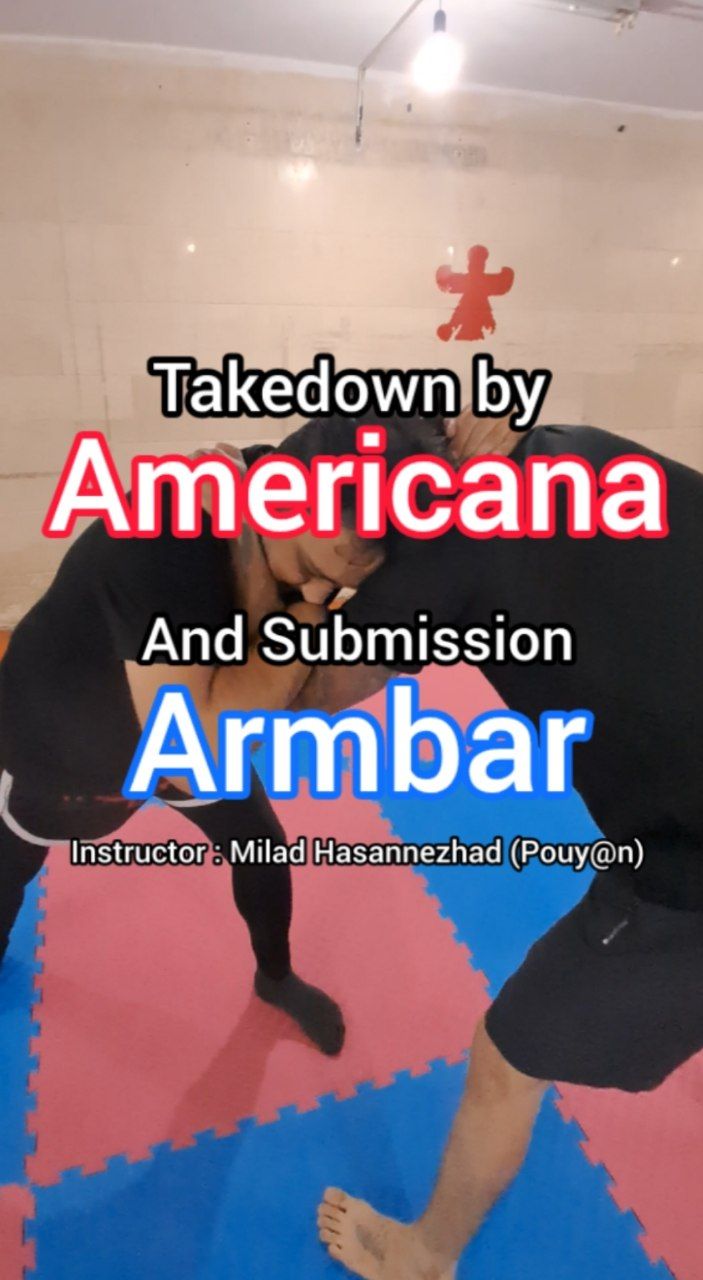
زمین زدن حریف با تکنیک آمریکانا و تسلیم کردن با تکنیک آرمبار | Takedown By Americana and Submission

Takedown By Americana and Submission

Instructor : Milad Hasannezhad

زمین زدن حریف با تکنیک آمریکانا و تسلیم کردن با تکنیک آرمبار

مربی : میلاد حسن نژاد

میلاد حسن نژاد

⬇️⬇️⬇️ Click here

tutorial video on YouTube🔵🔵🔵

اینجا کلیک کنید ⬇️⬇️⬇️

جهت دیدن ویدئو آموزش در یوتیوب روی این گزینه کلیک نمایید 🔴🔴🔴

From Leveraged Takedowns to Joint Locks

This movement sequence represents a deep understanding of biomechanics, leverage, and the anatomical weaknesses of the human body. The technique has three key phases, each of which applies a new force system to the opponent's body.

🔴Phase 1: Leveraged Takedown and Control

Using Moment and Center of Gravity (COG) In this phase, controlling the opponent's hand and wrist acts as a lever. By rotating and stabilizing the opponent's arm, you increase the radius of rotation of the opponent's body. This shifts the opponent's center of gravity away from their support base (the legs) and pulls them in a direction of less resistance. As a result, a relatively small force applied to the joints far from the center of the body (the wrists and elbows) creates a huge torque, causing the opponent to fall.

🔴 Phase 2: Americana/Keylock Setup

Glenohumeral Joint or Shoulder Joint.

The Americana technique is a Torque-Based Joint Lock. In this step, the opponent's arm is fixed and directed to the back of the head or to the side of the body. Using the keylock form, you force the opponent's shoulder into severe external rotation and horizontal adduction. The final pressure causes excessive stretching of the anterior joint capsule and rotator cuff tendons, especially the subscapularis tendon.

🔴 Phase 3: Final Armbar Submission (Jūji Gatame)

Often, the opponent will straighten their arm to defend the Americana. This defense immediately opens the door to attack the next anatomical target: the elbow joint.

-Humeroulnar Joint (Humeroulnar Joint) or the elbow.

The armbar is a three-point lever system. Your torso and legs act as a pressing frame. The opponent's elbow joint rests on your fulcrum (usually the hip bone). The pressure back and down forces the elbow to hyperextend, i.e. move beyond the normal 90-degree range. This pressure directly stresses the tendons and collateral ligaments of the elbow joint, causing severe pain and the possibility of fracture or tear.

Author: Milad Hassannezhad (Pouyan)

از تیک‌دان اهرمی تا قفل‌های مفصلی

این زنجیره حرکتی، نمایانگر درک عمیق از بیومکانیک، اهرم و نقاط ضعف آناتومیک بدن انسان است. این تکنیک سه فاز کلیدی دارد که در هر مرحله، یک سیستم نیروی جدید بر بدن حریف اعمال می‌شود.


🔴فاز ۱: تیک‌دان و کنترل اهرمی (Leveraged Takedown)
استفاده از ممان (Moment) و مرکز ثقل (Center of Gravity - COG) در این فاز، کنترل دست و مچ حریف به عنوان یک اهرم عمل می‌کند. با چرخاندن بازوی حریف و تثبیت آن، شما شعاع چرخش بدن حریف را افزایش می‌دهید. این کار، مرکز ثقل حریف را از روی پایه‌های حمایتی‌اش (پاها) منحرف کرده و او را به سمتی می‌کشد که مقاومت کمتری دارد. در نتیجه، نیروی نسبتاً کمی که بر روی مفاصل دور از مرکز بدن (مچ و آرنج) اعمال می‌شود، گشتاور عظیمی ایجاد کرده و به سقوط حریف می‌انجامد.


🔴 فاز ۲: آماده‌سازی آمریکانا (Americana/Keylock Setup)
مفصل گلنوهومرال (Glenohumeral Joint) یا همان مفصل شانه.
تکنیک آمریکانا یک قفل مفصلی گشتاورمحور (Torque-Based Joint Lock) است. در این مرحله، بازوی حریف تثبیت شده و به سمت پشت سر یا طرفین بدن او هدایت می‌شود. شما با استفاده از فرم کی‌لاک، شانه حریف را مجبور به چرخش خارجی (External Rotation) و اَدِکشن افقی (Horizontal Adduction) شدید می‌کنید. فشار نهایی باعث کشیدگی بیش از حد کپسول مفصلی قدامی و تاندون‌های روتاتور کاف، به ویژه تاندون ساب‌اسکاپولاریس (Subscapularis) می‌شود.


🔴فاز ۳: سابمیشن نهایی آرم‌بار (Armbar - Jūji Gatame)
اغلب، حریف برای دفاع از آمریکانا، بازوی خود را صاف می‌کند. این دفاع، بلافاصله در را برای حمله به هدف آناتومیک بعدی باز می‌کند: مفصل آرنج.
-مفصل هومرواولنار (Humeroulnar Joint) یا همان آرنج.
آرم‌بار یک سیستم اهرم سه‌نقطه‌ای است. تنه و پاهای شما به عنوان یک قاب فشاردهنده عمل می‌کنند. مفصل آرنج حریف روی نقطه اتکای شما (معمولاً استخوان لگن) قرار می‌گیرد. فشار به سمت عقب و پایین، آرنج را مجبور به هایپراکستنشن (Hyperextension) می‌کند، یعنی حرکت فراتر از محدوده طبیعی ۹۰ درجه. این فشار به صورت مستقیم تاندون‌ها و رباط‌های جانبی (Collateral Ligaments) مفصل آرنج را تحت تنش قرار داده و باعث درد شدید و احتمال شکستگی و یا پارگی می‌شود.

نویسنده: میلاد حسن نژاد (پویان)

ادامه نوشته

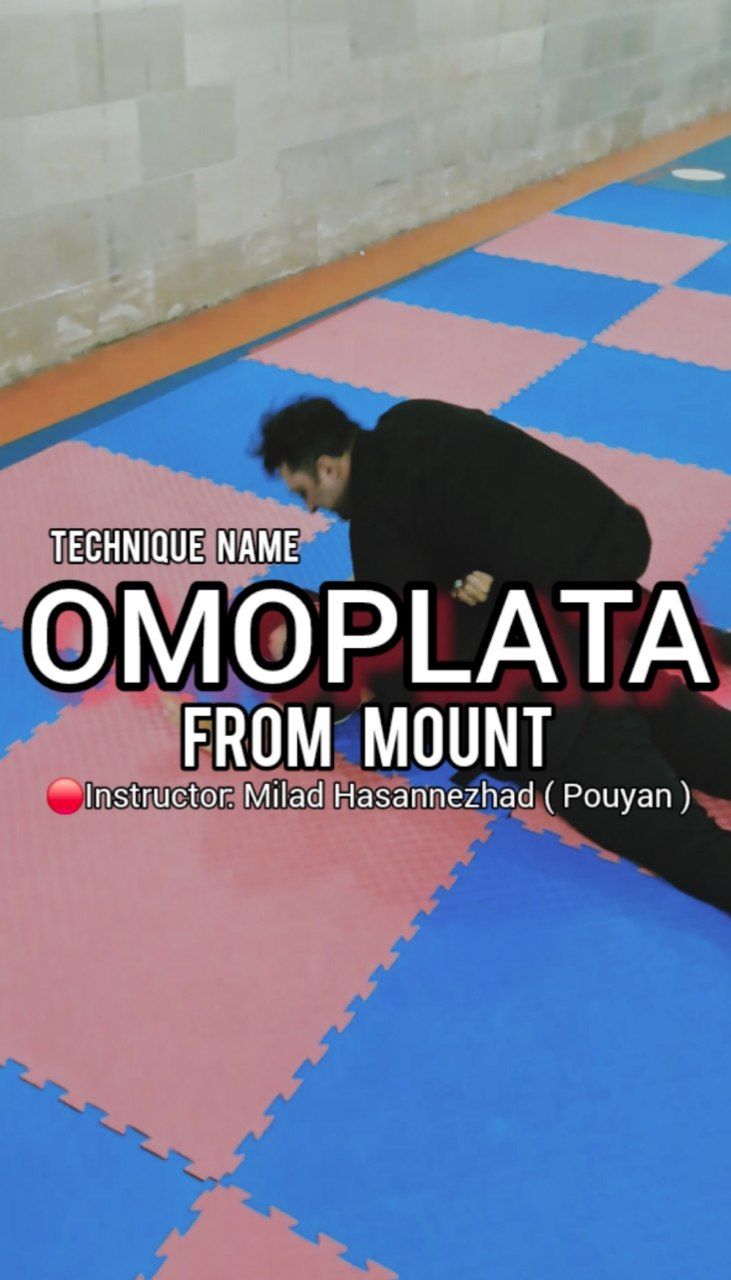
OMOPLATA From Mount | تکنیک قفل کتف با پا از روی سینه | اوموپلاتا از روی مانت

Technique name: omoplata from mount🔵

:Instructor

Milad Hasannezhad (Pouyan)

🔴نام تکنیک: قفل کتف با پا از روی سینه / اوموپلاتا از روی مانت

مربی: میلاد حسن نژاد (پویان)

Omoplata bjj

⬇️⬇️⬇️ Click here

tutorial video on YouTube🔵🔵🔵

اینجا کلیک کنید ⬇️⬇️⬇️

جهت دیدن ویدئو آموزش در یوتیوب روی این گزینه کلیک نمایید 🔴🔴🔴

The Omoplata is a fundamental joint lock submission in Brazilian Jiu-Jitsu, designed to apply pressure to the opponent's glenohumeral joint. The name comes from the Portuguese word "Omoplata" meaning "shoulder" or "scapula," which refers directly to the technique's focus on the shoulder and scapula area. The Omoplata is a complex leverage technique that utilizes the anatomical structure of the performer and the target to apply rotational pressure and hyperextension to the shoulder joint

Successful execution of the Omoplata requires a series of precise control and leverage steps, typically starting from the Guard's or Half Guard position. The primary goal is to control the opponent's upper limb (usually one arm) and use the performer's legs as leverage

Mechanism of Execution and Biomechanical Goals

-1

Entry and Initial Control: The performer begins by controlling one of the opponent's arms (usually at the wrist or arm) and placing it between his legs. This step is often accompanied by breaking the opponent's posture and bringing his head closer to the performer's body to prevent initial resistance and escape

-2

Foot Positioning and Leverage: The foot corresponding to the opponent's controlled arm (for example, the performer's left leg if the opponent's left arm is controlled) is passed over the opponent's head and shoulder. The heel of this foot should be placed above the opponent's shoulder to limit his movement and act as a fulcrum

-3

Pivoting and Leverage: The performer then begins a pivoting motion in the opposite direction of the controlled hand (for example, to the right if the opponent's left hand is controlled). Simultaneously with this rotation, the performer's hips are lifted off the ground. This movement causes the lever leg (the leg that is on the opponent's shoulder) to act as a pivot and apply rotational and compressive pressure to the opponent's shoulder joint. This pressure results in a forced external rotation of the opponent's arm and ultimately a hyperextension of the shoulder joint

-4

Final Control and Submission: At this stage, the performer must have complete control of the opponent's body, especially the pelvic area, to prevent him from getting up and escaping. By carefully adjusting the angle of the body and the pressure of the legs, the pressure on the shoulder joint is brought to the point where the opponent is forced to submit (tap out).

Tactical and Strategic Dimensions:

The omoplata is not only an effective submission technique, but is also of great importance due to its tactical flexibility:

-

Transitions: If the opponent manages to defend against the omoplata, the technique often provides opportunities to transition into superior positions such as the Sweep, Back Take, or other submissions such as the Triangle Choke. This feature makes the omoplata a key element in the chain of offensive attacks.

-

Positional Control: Even if the submission fails, the omoplata is a powerful tool for controlling the opponent's posture and movement, allowing the performer to dictate the rhythm of the fight.

-

Reaction and Exploitation: By applying the threat of the omoplata, the opponent is forced to react and defend. These reactions often create spaces for subsequent attacks or a change in tactics

⭐️⭐️⭐️

تکنیک "اوموپلاتا" (Omoplata) یکی از سابمیشن‌های مفصلی (Joint Lock Submissions) بنیادین در جوجیتسو برزیلی (Brazilian Jiu-Jitsu) است که با هدف ایجاد فشار بر مفصل گلنوهومرال (Glenohumeral Joint) یا مفصل شانه حریف طراحی شده است. این نام‌گذاری از واژه پرتغالی "Omoplata" به معنای "کتف" یا "استخوان اسکاپولا" (Scapula) نشأت گرفته است که مستقیماً به نقطه تمرکز این تکنیک بر ناحیه شانه و کتف اشاره دارد. اوموپلاتا یک تکنیک اهرم‌بندی پیچیده است که با بهره‌گیری از ساختار آناتومیکی بدن اجراکننده و هدف، فشار چرخشی و هایپرکود (Hyperextension) را بر مفصل شانه اعمال می‌کند.

اجرای موفقیت‌آمیز اوموپلاتا مستلزم یک سری مراحل دقیق کنترلی و اهرم‌بندی است که عمدتاً از موقعیت گارد ها (Guard's) یا نیم‌گارد (Half Guard) آغاز می‌شود. هدف اولیه، کنترل اندام فوقانی حریف (معمولاً یک دست) و استفاده از پاهای اجراکننده به عنوان اهرم‌های فشار است.

مکانیسم اجرا و اهداف بیومکانیکی:

1. ورود و کنترل اولیه: اجراکننده با کنترل یک دست حریف (معمولاً از ناحیه مچ یا بازو) و قرار دادن آن بین پاهای خود، شروع می‌کند. این مرحله اغلب با شکستن پاسچر (Posture Break) حریف و نزدیک کردن سر وی به بدن اجراکننده همراه است تا از مقاومت و فرار اولیه جلوگیری شود.

2. موقعیت‌گیری پا و اهرم‌سازی: پای موافق با دست کنترل‌شده حریف (به عنوان مثال، اگر دست چپ حریف کنترل شده است، پای چپ اجراکننده) از بالای سر و شانه حریف عبور داده می‌شود. پاشنه این پا باید در بالای کتف حریف قرار گیرد.تا حرکت وی را محدود کرده و به عنوان یک نقطه اتکا عمل کند.

3. چرخش و ایجاد فشار اهرمی: اجراکننده سپس یک چرخش محوری (Pivoting Motion) را به سمت مخالف دست کنترل‌شده (مثلاً به سمت راست اگر دست چپ حریف کنترل شده) آغاز می‌کند. همزمان با این چرخش، باسن اجراکننده از سطح زمین بلند می‌شود. این حرکت باعث می‌شود که پای اهرمی (پایی که روی شانه حریف است) به عنوان یک محور عمل کرده و فشار چرخشی و فشاری را بر مفصل شانه حریف اعمال کند. این فشار، منجر به چرخش خارجی اجباری بازوی حریف و در نهایت هایپرکود مفصل شانه می‌شود.

4. کنترل نهایی و اعمال سابمیشن: در این مرحله، اجراکننده باید کنترل کاملی بر بدن حریف، به ویژه ناحیه لگن، داشته باشد تا از بلند شدن و فرار وی جلوگیری کند. با تنظیم دقیق زاویه بدن و فشار پاها، فشار بر مفصل شانه به نقطه‌ای می‌رسد که حریف مجبور به تسلیم (Tap Out) می‌شود.

ابعاد تاکتیکی و استراتژیک:

اوموپلاتا نه تنها یک تکنیک سابمیشن مؤثر است، بلکه به دلیل انعطاف‌پذیری تاکتیکی خود، از اهمیت بالایی برخوردار است:

- انتقال به تکنیک‌های دیگر (Transitions): در صورتی که حریف موفق به دفاع در برابر اوموپلاتا شود، این تکنیک اغلب فرصت‌هایی برای انتقال به موقعیت‌های برتر مانند سویپ (Sweep - انتقال به موقعیت بالا)، پشت‌گیری (Back Take)، یا ورود به سابمیشن‌های دیگر نظیر مثلث (Triangle Choke) را فراهم می‌آورد. این ویژگی، اوموپلاتا را به یک عنصر کلیدی در زنجیره حملات تهاجمی تبدیل می‌کند.

- کنترل موقعیتی (Positional Control): حتی در صورت عدم موفقیت در سابمیشن، اوموپلاتا ابزار قدرتمندی برای کنترل پاسچر و حرکت حریف است که به اجراکننده امکان می‌دهد ریتم مبارزه را دیکته کند.

- ایجاد واکنش و بهره‌برداری: با اعمال تهدید اوموپلاتا، حریف مجبور به واکنش و دفاع می‌شود. این واکنش‌ها اغلب فضاهایی را برای حملات بعدی یا تغییر جهت تاکتیک‌ها ایجاد می‌کنند.

ادامه نوشته

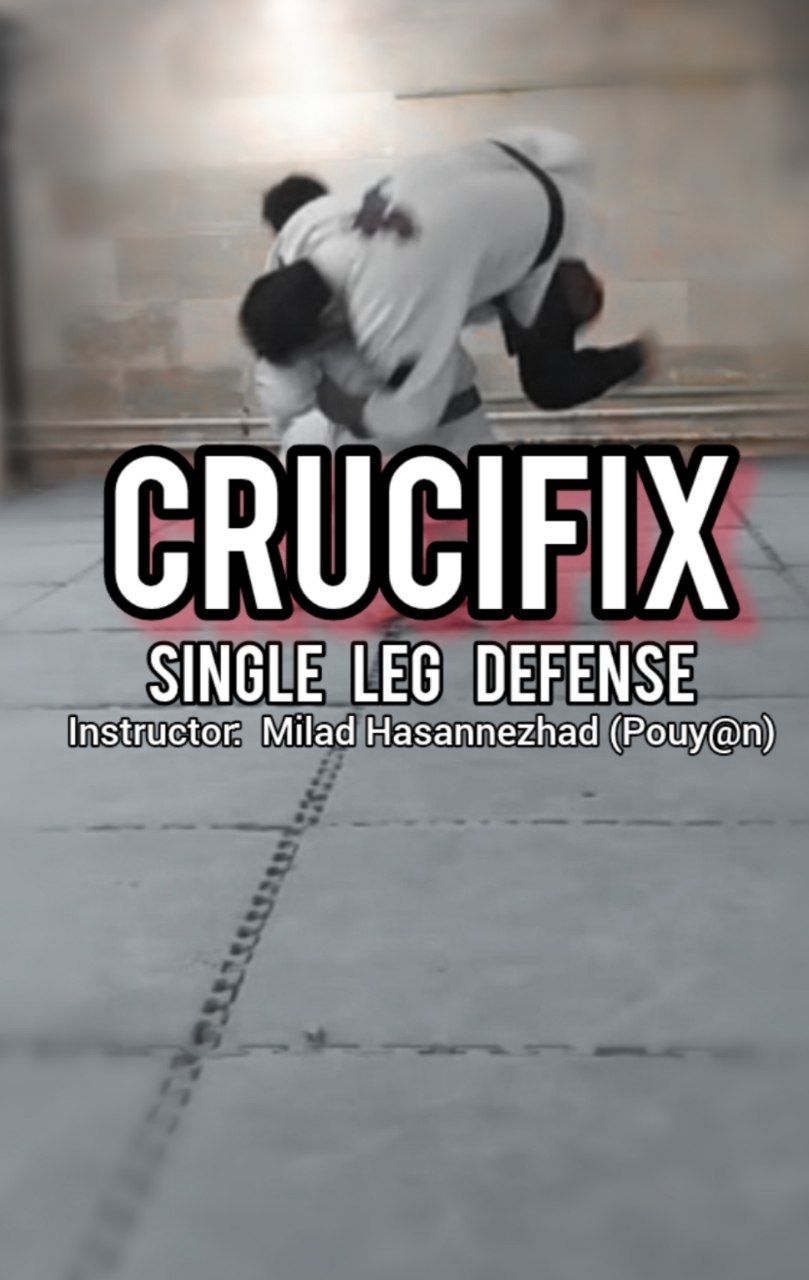
( Technique name: Crucifix  ( Single leg defense | نام تکنیک: صلیب ( دفاع یکم خم گیری )

Technique name: Crucifix 🔵

(Single leg defens)

🔴 نام تکنیک: صلیب( دفاع یکم خم گیری )

Mma Bjj Grappling Sambo

اینجا کلیک کنید ⬇️⬇️⬇️

جهت دیدن ویدئو آموزش در یوتیوب روی این گزینه کلیک نمایید 🔴🔴🔴

⬇️⬇️⬇️ Click here

Click on this option to watch the tutorial video on YouTube🔵🔵🔵

🔵 Technique name: Crucifix
( Single leg defense)

The single leg is one of the most well-known and used techniques in MMA, BJJ, and Sambo competitions.
When your opponent attacks your legs and tries to lift you off the ground, you can hook your legs around their armpits and elbows and control your opponent on the ground with a calculated turn.
Now it's time for you to take the upper hand. With one leg on your opponent's neck and the other still under his armpit, you can now force him to submit with the armbar technique.🤙😎

-Please do your exercises in a gym environment and in the presence of an experienced trainer.

Instructor: Milad Hasannezhad (Pouy@n)-

🔴 نام تکنیک: صلیب
( دفاع یکم خم گیری )

یک خم گیری یکی از شناخته‌شده‌ترین و پرکاربردترین تکنیک‌ها در مسابقات MMA، BJJ و سامبو است.
وقتی حریف به پاهایتان حمله می کند و سعی دارد شما را از زمین بلند کند، می توانید پاهایتان را دور زیر بغل و آرنج او قلاب کنید و با یک چرخش حساب شده، حریفتان را روی زمین کنترل کنید.
حالا زمان برتری شما رسیده است. در حالی که یک پا روی گردن حریف و پای دیگر هنوز زیر بغل اوست، حالا می‌توانید با تکنیک آرمبار او را مجبور به تسلیم کنید. 😎🤙

-لطفا تمرینات خود را در محیط باشگاه و در حضور مربی باتجربه انجام دهید.

-مربی: میلاد حسن نژاد (پویان)

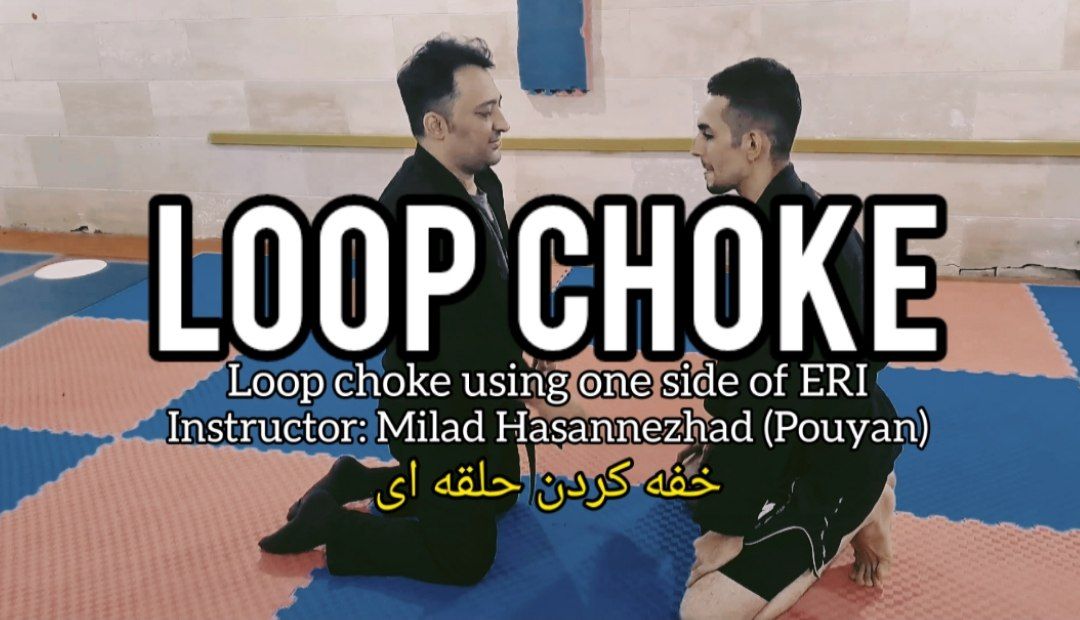
Loop Choke Bjj  technique | خفه کردن حلقه ای - لوپ چوک - تکنیک جوجیتسو برزیلی

Loop Choke Bjj technique | خفه کردن حلقه ای - لوپ چوک - تکنیک جوجیتسو برزیلی

Loop Choke Bjj

اینجا کلیک کنید ⬇️⬇️⬇️

جهت دیدن ویدئو آموزش در یوتیوب روی این گزینه کلیک نمایید 🔴🔴🔴

⬇️⬇️⬇️ Click here

🔵🔵🔵 Click on this option to watch the tutorial video on YouTube

-------☆

In Brazilian Jiu-Jitsu, some techniques are suitable for both gi and nogi, but there are some techniques that are only suitable and applicable for one type of gi or nogi.
The loop choke technique is one of the most suitable techniques in the game, which can be performed by tying the opponent's collar.
In this technique, we first grab one side of the opponent's collar with both hands and bring the opponent's head towards the back of our elbow.
In the final stage of this technique, we pull the opponent down and hook our legs around the opponent's body in a close guard position. Now, with a little pressure, we will submit the opponent.

-Note: Please learn these techniques in the presence of an experienced instructor and in a gym setting. Practicing Jiu-Jitsu techniques at home can be dangerous.

🔴Instructor: Milad Hasannezhad ( Pouyan )
2025/08/30
‬​

--------------------☆

در جوجیتسوی برزیلی، برخی از تکنیک‌ها هم برای گی و هم برای نوگی مناسب هستند، اما برخی از تکنیک‌ها نیز وجود دارند که فقط برای یک نوع گی یا نوگی مناسب و قابل اجرا هستند.
تکنیک خفه کردنِ حلقه یکی از مناسب ترین تکنیک های بازی است که با بستن یقه حریف قابل اجراست.
در این تکنیک ابتدا با دو دست یک طرف یقه حریف را می گیریم و سر حریف را به سمت پشت آرنج خود می آوریم.
در مرحله پایانی این تکنیک، حریف را به پایین کشیده و پاهایمان را به حالت گارد بسته دور بدن حریف قلاب می کنیم.حالا با کمی فشار، حریف را تسلیم می کنیم.

-توجه: لطفاً این تکنیک‌ها را در حضور یک مربی باتجربه و در محیط باشگاه ورزشی یاد بگیرید. تمرین تکنیک‌های جوجیتسو در خانه می‌تواند خطرناک باشد.

🔵 مربی: میلاد حسن نژاد (پویان)
1404/06/09